
By Biff Rushton
•
July 3, 2026
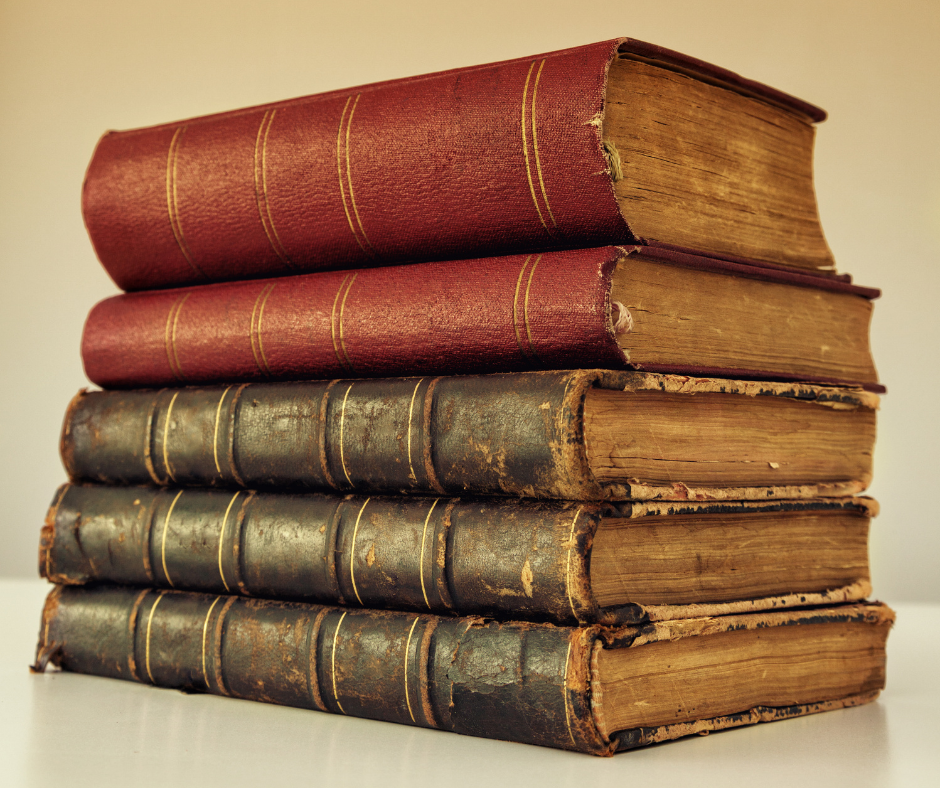
As we celebrate two hundred and fifty years of independence this Fourth of July, it is worth remembering that the genesis of our Republic was not drawn from blood, cannon-smoke, or the dissent of 342 East India Company tea chests, splintered and tossed into Boston Harbor. In fact, its foundation was not laid by that treason or any other physical act of protest, and its cornerstone was not the first musket shots echoing across Lexington Common. Instead, the first stirrings of America’s sedition came as an awakening of ideas in some of the most brilliant men of the time; men who would eventually lead us to become an idealized, self governed nation, built upon the convictions of justice, equality, and liberty. America is a republic forged in thought, and its miracle of independence first took shape inside the crates, wooden trunks, and saddlebags of couriers and supply wagons inching towards freedom and through the perils of revolution. Carried alongside the flintlocks and hardtack, gunpowder and cartridge boxes, it was books which were the most vital provision of the Republic’s infancy—the personal libraries of enlightened thinkers, volumes which braved oceans and the throes of battle to help create documents still defining us today. Our founding fathers were voracious, almost obsessive readers who viewed literature as a tool of discovery, betterment, and survival. They believed a nation of liberty could only be built by educated, free thinkers, and that the wisdom of those who came before them was as essential to the experiment they were undertaking, as were cannons or bayonets. Thomas Jefferson personified this obsession. Always keeping his books within arms reach, he traveled with a custom library-box wedged into the boot of his carriage, which held a collection that reflected the mind of a man infinitely curious. Among his shelves were the works of John Locke, whose writings on natural rights and the consent of the governed influenced Jefferson’s own understanding of liberty; Montesquieu , whose theories on the separation of power helped shape the structure of his new government; Algernon Sidney’s Discourses Concerning Government, a text so dangerous to the Crown that Sidney was executed for writing it; and the ancient Roman historians and statesmen, whose words provided not only cautionary lessons on the rise and fall of republics, but also heroic archetypes and practical models of mixed government. From this treasury of thought, Jefferson distilled the core philosophies of the Enlightenment into the immortal prose of the Declaration of Independence . Decades later, these same volumes served as a compass during his presidential term, helping to guide our fragile democracy through its adolescence. His hunger for knowledge ultimately helped to reshape the heritage of the United States when following the War of 1812, he sold his vast collection to the government, laying a permanent foundation for the Library of Congress. Yet, Jefferson was far from alone in his literary dependence. Throughout the brutal years of the Revolution, the movement of books mirrored the movement of troops. George Washington, facing the monumental task of holding together an unseasoned, rag-tag army, frequently had military treatises and histories shipped directly to Continental encampments, and amidst the frostbite and freezing mud of winter quarters, he would often study the campaigns of Julius Caesar and Gustavus Adolphus, seeking the strategies and tactical wisdom it would require to outmaneuver the most lethal military power in the world. Similarly, John Adams packed trunks of legal philosophy and history wherever his diplomatic missions took him, fiercely convinced that a stable government could not be engineered out of thin air, but had to be meticulously constructed from the hard-learned lessons of human history. Benjamin Franklin also championed this literary rebellion. Having founded America's first subscription library decades earlier, he weaponized his deep understanding of Enlightenment philosophy while on mission to Paris, successfully winning French allegiance through articulate charm and the sheer force of his boundless intellect. These men recognized that to defeat a monarchy, they needed more than muskets; they needed knowledge and a superior argument. The leather-bound volumes bouncing along the wagon-rutted roads of a war-torn continent provided just that. They were the silent munitions of the American Revolution, loaded with scandalous ideas about inherent rights, social contracts, and the radical notion that governments derive their just powers from the consent of those who they govern. Two and a half centuries later, as we stand beneath the spangled flash of celebratory fireworks, we honor not just a victory of arms, but a triumph of the mind, and a republic built to endure because its foundations were laid in the imperishable ink of human progress. From our shelves to your home, backyard, or wherever you may celebrate, Lioness Books wishes you a happy and thoughtful Fourth of July.